Full-stack engineering for reliable products and systems.
Backend, AI, and automation work for teams that need clean, production-ready software.
The positioning
"I am most useful when the product needs backend judgment, real-time performance, AI integration, and someone who can ship without hiding behind process."
I have owned production Django/DRF systems, multi-tenant SaaS architecture, React admin dashboards, Celery pipelines, RAG workflows, WebSocket infrastructure, protocol recovery, and security-critical debugging under real user load.
The work style is direct: understand the product, find the bottleneck, build the system, measure the result, and leave the codebase easier to operate.
1M+
monthly API requests across production Django and DRF systems
20K
WebSocket connections in real-time chat and inbox workloads
100K+
background jobs handled through queue and worker pipelines
3
startup-saving recoveries across provider protocols and Django RCE risk
How I help
Useful when the work is too connected for one narrow role.
Most startup problems do not stay neatly inside frontend, backend, AI, DevOps, or security. I work across those edges and keep the implementation coherent.
Production backends
Django, DRF, FastAPI, PostgreSQL, Redis, PgBouncer, indexing, query plans, background jobs, and APIs that survive real traffic.
Django - FastAPI - PostgreSQL
AI and automation
RAG pipelines, vector search, OpenAI SDK, Claude Vision, AI agents, Playwright automation, and AI-assisted delivery workflows.
RAG - Agents - Playwright
Real-time systems
Django Channels, Daphne, Uvicorn, WebSocket bottlenecks, protocol reverse engineering, queues, and live operational debugging.
Channels - Redis - Protocols
Featured proof
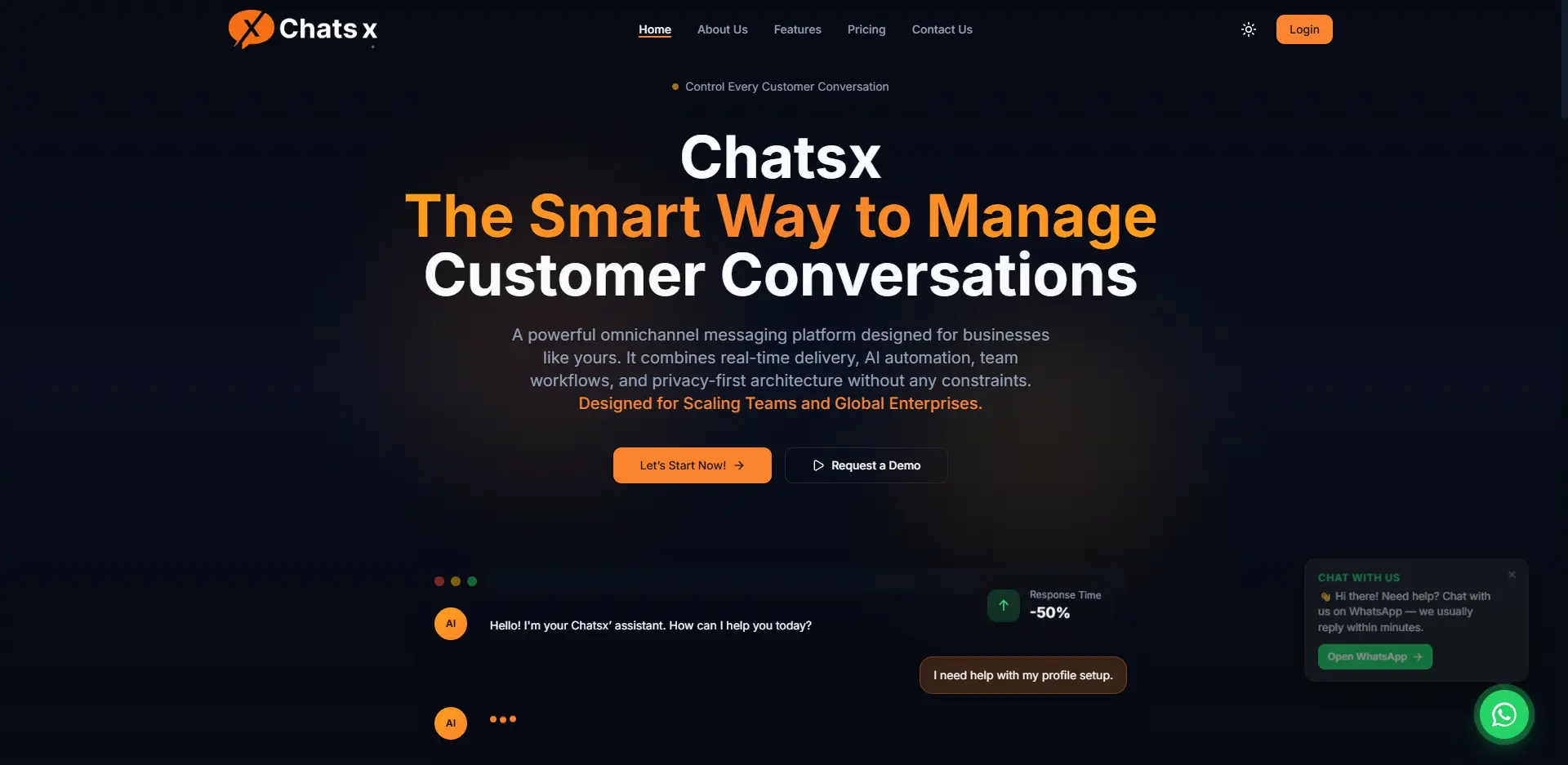
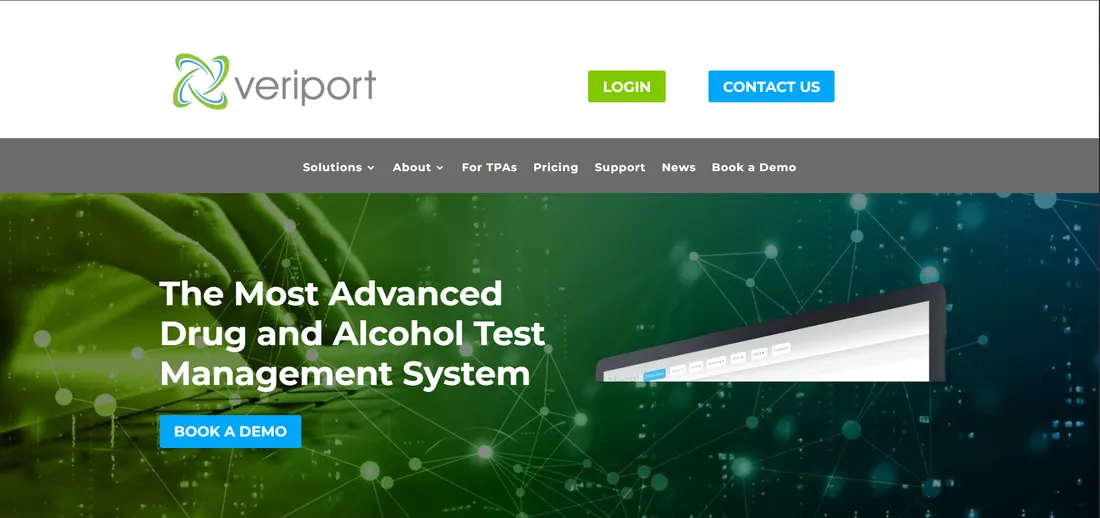
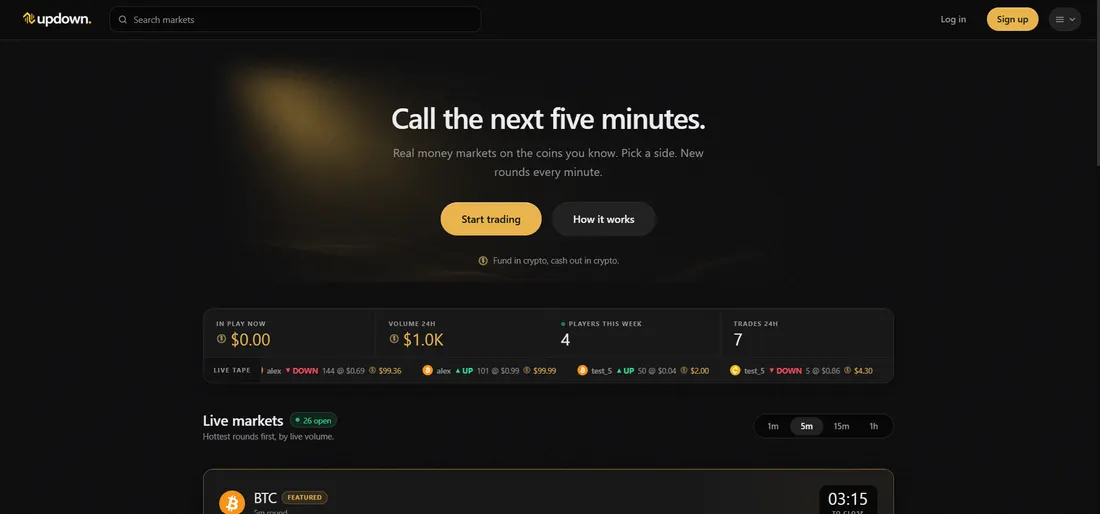
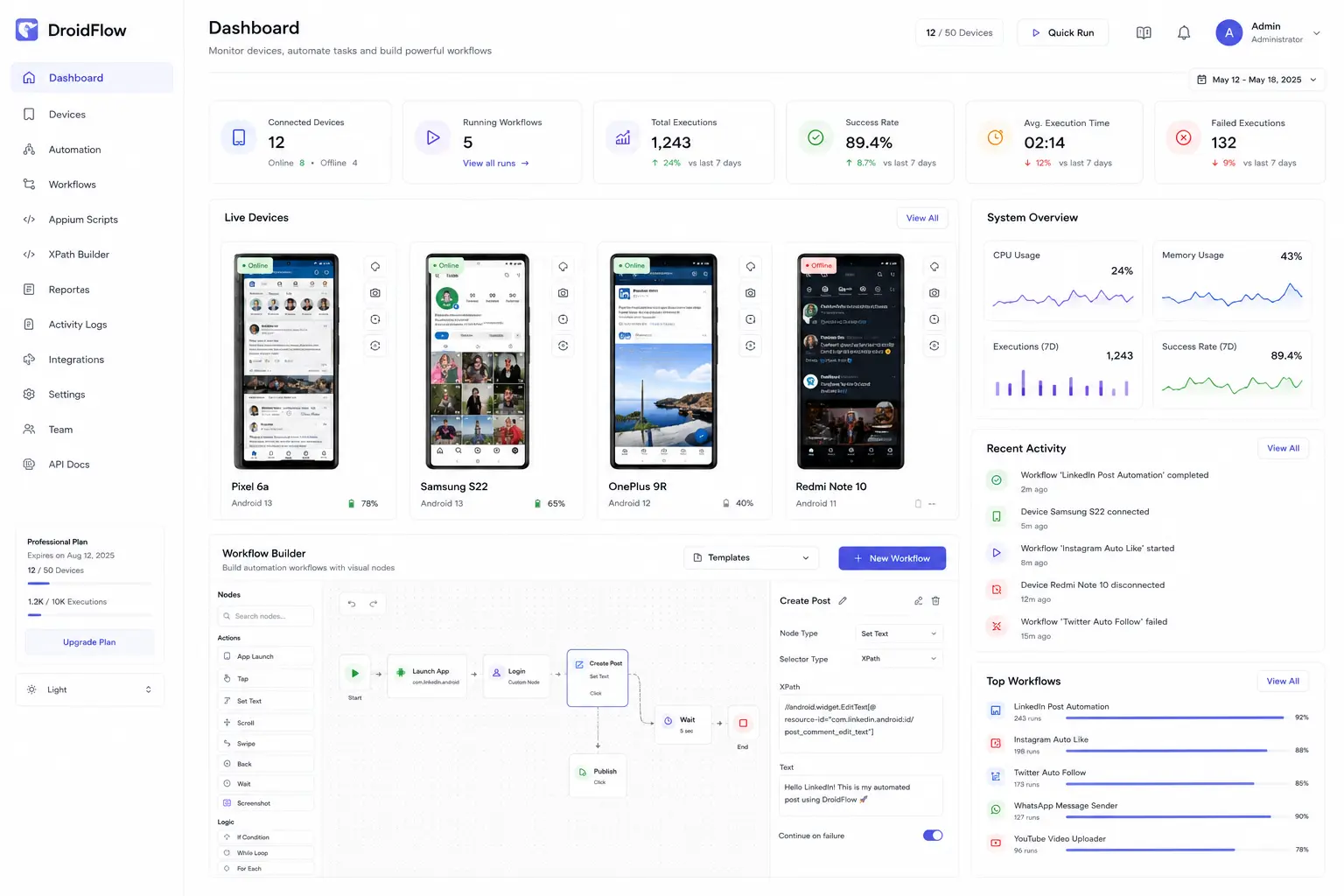
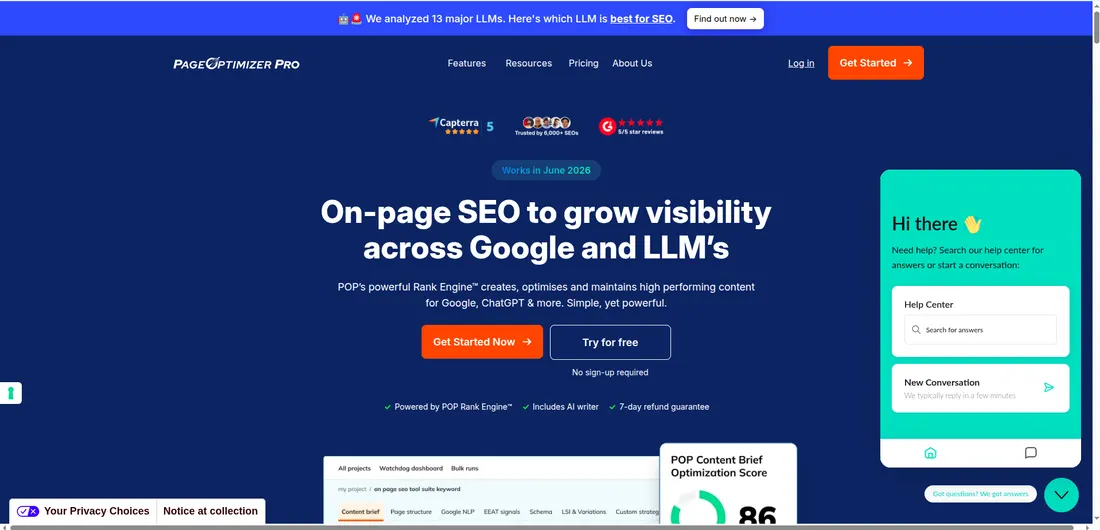
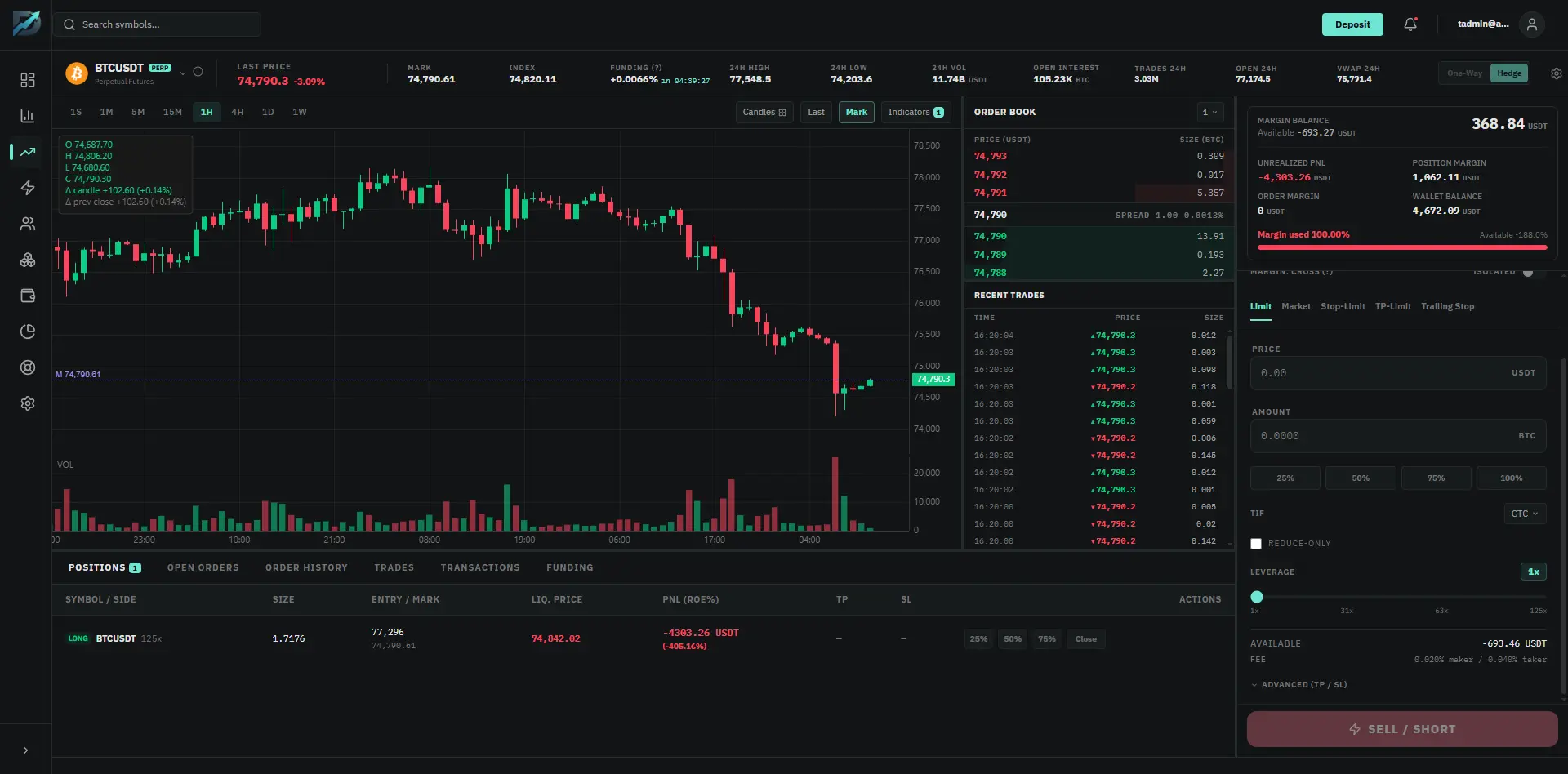
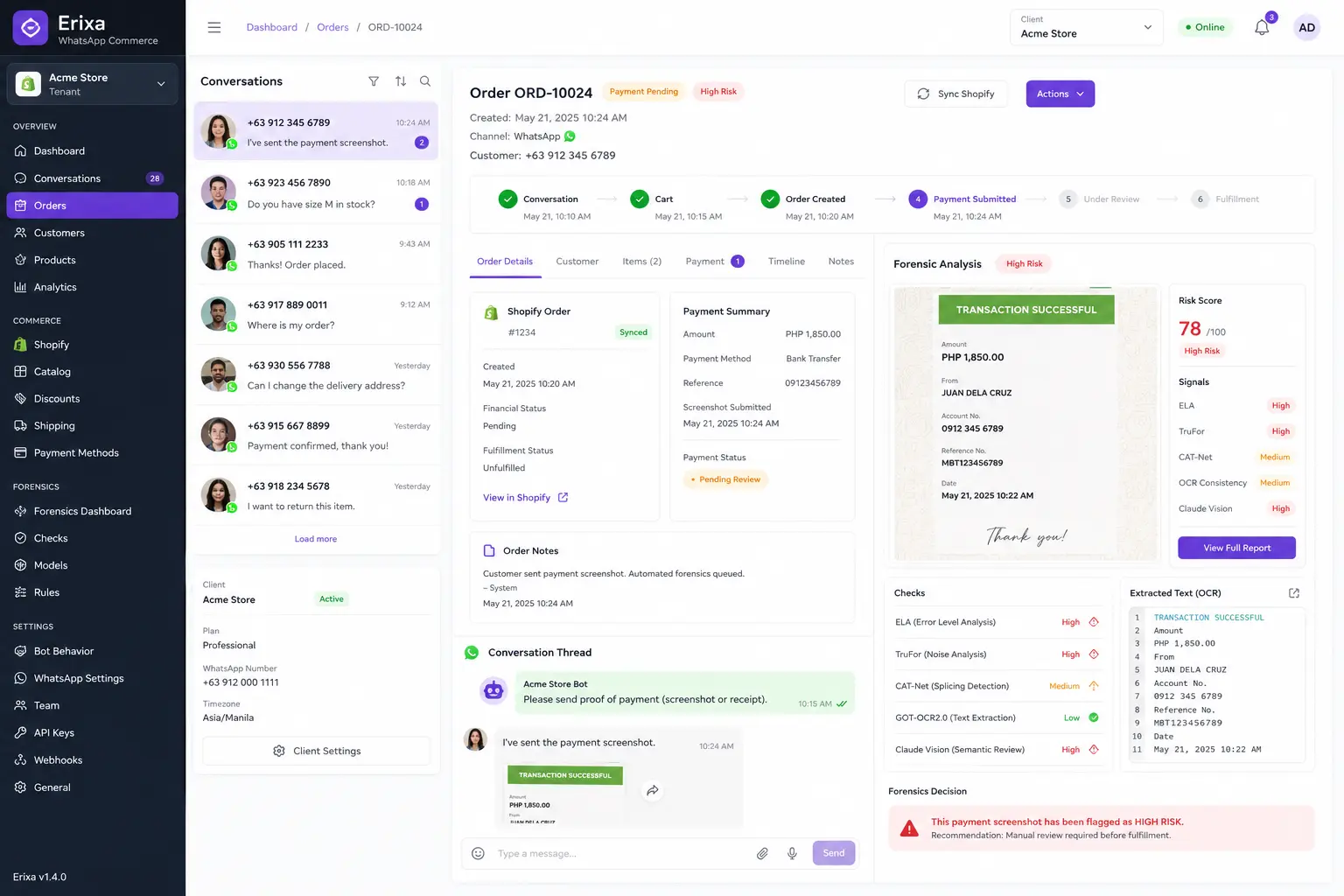
Selected systems from production work.
Technical depth
Useful when the problem is not just CRUD.
I have saved 2 startups by reverse-engineering provider WebSocket protocols into direct Python clients, helped another avoid a critical Django RCE exposure, built a Python-native DOCX-to-HTML pipeline, shipped pgvector search over 60K+ assets, and cut regression QA time with Playwright automation.
What makes the work different
- 01
Measure before changing
Latency, query time, job failures, and delivery speed get tracked against real outcomes.
- 02
Recover broken dependencies
Reverse-engineer provider protocols, replace fragile vendor paths, and keep the business running.
- 03
Use AI as leverage
Cursor, Claude, Codex, and Copilot are part of the workflow, not a replacement for engineering judgment.
- 04
Treat security as product survival
RCE risk, tenant isolation, permissions, and integration boundaries get handled before they become incidents.
Have a system that needs real engineering?
Send the product, stack, deadline, current bottleneck, and what success should look like. I will reply with a concrete technical next step.